
Commercial Flooring Contractors in London: How to Choose the Right Company for Your Project (2027 Guide)
 Written by Steven Mac 18 November 2026 · 7 min read

By Steven Mac, Senior Flooring Technician, London Flooring Fitters™ | NVQ Level 2/3 Floorcovering | CSCS | Manufacturer training: Amtico, Karndean, Polyflor and Altro
A newly fitted office floor can look perfect on handover, only for joints to open, tiles to lift or moisture problems to appear later. Choosing the wrong commercial flooring contractor can become an expensive mistake, particularly when a failed floor disrupts business operations.
How do you choose a reliable commercial flooring contractor in London? Look for comparable commercial experience, relevant qualifications and insurance, a documented approach to subfloor preparation, suitable product specifications, a realistic programme and an itemised quotation. This 2027 guide explains what facilities managers, main contractors, architects and property owners should check before appointing a company.
“Floors likely to get wet or have spillages on them should be of a type that does not become unduly slippery.” — Health and Safety Executive, Preventing Slips and Trips at Work
Read HSE guidance on preventing slips and trips
1. Why the right commercial contractor matters
Commercial floors face different demands from domestic rooms. Office chairs and concentrated foot traffic create wear routes. Hotel corridors receive luggage and cleaning equipment. Healthcare premises have hygiene concerns and kitchens face water, grease and intensive cleaning.
A competent contractor considers the complete flooring system, including subfloor moisture, flatness, adhesives, foot and wheeled traffic, cleaning, slip resistance, thresholds, acoustic requirements and safe access. A low headline price offers little value if the installation fails prematurely.
CFA Guide to Contract Flooring
2. Seven checks before choosing commercial flooring contractors in London
1. Check their commercial flooring experience
Experience fitting domestic LVT does not automatically qualify a business to run a phased office fit-out or specialist commercial kitchen. Ask for relevant completed projects, genuine photographs, product descriptions and references. Establish who will supervise the works and how subcontractors will be managed.
Offices and corporate workplaces
Hotels and hospitality venues
Schools, healthcare and care facilities
Retail premises and public buildings
2. Verify competence, insurance and health and safety
Ask for relevant flooring qualifications such as NVQ, CSCS cards where the site requires them, current public liability insurance, employers’ liability cover where legally applicable, RAMS, suitable manufacturer training and asbestos awareness. Current Constructionline or SMAS assessments may offer additional reassurance. Check the credentials of the actual contracting business rather than accepting unverified logos.
3. Insist on subfloor assessment and preparation
Before carpet tiles, luxury vinyl or sheet flooring are installed, the base needs assessment for moisture, cracks, contamination, stability and flatness. Preparation may involve removing old flooring, mechanical cleaning, primer, smoothing compound, flooring-grade plywood, repairs or a suitable surface damp-proof membrane.
The correct system depends on the particular substrate and product. CFA guidance, BS 8203 for resilient flooring and the chosen manufacturer instructions should inform decisions. Inadequate preparation can contribute to adhesive failure, visible surface defects and premature deterioration.
Learn about our commercial subfloor preparation services
Read Karndean gluedown installation guidance
4. Check product knowledge and suitability
There is no best material for every workplace. Heavy-contract carpet tiles can offer comfort and modular replacement in offices. Commercial LVT is useful in suitable reception and circulation areas. Specialist safety vinyl may suit kitchens and areas with frequent contamination. Rubber and sheet vinyl also have valuable roles.
Carpet tiles: consider traffic classification, acoustic performance and castor chairs
LVT: consider substrate flatness, product range and cleaning requirements
Safety vinyl: consider contaminants, slip risk, seams and drainage details
Sheet vinyl: consider substrate preparation and welded joints where specified
Rubber: consider maintenance, adhesive compatibility and expected wear
Slip resistance should be assessed against how the floor will actually be used, rather than an isolated marketing claim.
HSE workplace flooring and slip-resistance guidance
5. Ask how disruption will be managed
Commercial flooring works must be coordinated around staff, customers, deliveries and other trades. Ask about phased work, evenings and weekends, furniture protection, lift bookings, dust control, noise, loading bays and waste removal. Night shifts may reduce disruption, but they cannot eliminate adhesive and smoothing-compound curing times.
6. Request an itemised quotation
Two companies can quote for the same floor area yet include different work. A fitting-only price cannot be compared directly with a complete supply, uplift and subfloor preparation package. Request written detail of the following:
Flooring manufacturer, range, colour and floor area
Existing floor uplift, waste and disposal
Moisture tests, primers, smoothing, repairs and DPM allowances
Installation, thresholds, trims, coving or welding
Deliveries, parking, access and out-of-hours costs
Programme, VAT, exclusions and variation procedure
Clarify which amounts are fixed and which are provisional. Agree how unexpected defects will be reported and priced.
7. Understand workmanship guarantees
A manufacturer warranty generally relates to product defects under its terms. A contractor workmanship guarantee covers qualifying installation defects under its own conditions. Ask about duration, exclusions, investigation, remedial work and maintenance handover. London Flooring Fitters™ offers a one-year commercial workmanship guarantee subject to agreed project terms.
3. Six commercial flooring manufacturers worth comparing
Choose manufacturers according to the required performance, not appearance or familiarity alone. The following credited photographs show manufacturer products and environments, not London Flooring Fitters™ projects.

PlusFloor provides luxury flooring for design-led interiors. Confirm the commercial suitability of any particular product before specifying it.
Amtico supplies decorative commercial LVT ranges. Construction and warranty conditions vary between collections.
Explore Amtico commercial flooring

Karndean offers a range of commercial LVT styles, subject to suitable preparation and the appropriate installation method.
Karndean commercial product information

Altro supplies safety vinyl systems for environments where spillages and grease are significant considerations. Seams, drains and edges need appropriate detailing.
Altro safety flooring installation guidance

Forbo supplies resilient flooring systems for different commercial applications. Review the selected collection’s installation and maintenance guidance.
4. How much do commercial flooring contractors charge in London?
Commercial flooring costs vary with floor area, manufacturer, existing-floor removal, substrate moisture, preparation, detailed finishing, deliveries and working hours. A small central London project with difficult loading may carry higher unit costs than a large clear floor.
Consider a 200 m² office refurbishment: one contractor may include only carpet tiles and fitting, while another allows for uplift, levelling, moving furniture and phased working. Compare the complete scope and ask for a site-specific assessment, rather than treating a single square-metre rate as a guaranteed quote.
5. Warning signs when appointing a flooring company
No evidence of insurance or relevant site competence
A quotation specifying only “commercial vinyl” without the precise collection
No explanation of subfloor inspection or moisture risk
Essential preparation omitted without clear exclusions
Unrealistic reopening dates that ignore curing
No documented terms for changes, defects or substantial deposits
These signs do not automatically prove poor workmanship. They are sensible reasons to ask further questions before signing. A capable contractor should welcome technical scrutiny.
6. Experience on complex London projects
Commercial London sites can involve restricted loading bays, limited lift access, occupied areas, parking rules, waste movement and coordination with several trades. These practical constraints affect cost and sequencing.
London Flooring Fitters™ has undertaken flooring work across varied commercial environments, including projects for Marriott Hotels, Kingston University, HSBC, BUPA Cromwell Hospital, BOOM Battle Bar, Mercedes and Argos. These examples reflect the range of environments involved, not endorsements or identical installation scopes.
Our services include LVT, carpet tiles, safety vinyl, rubber, commercial sheet flooring and subfloor preparation across London, Kent, Essex and Surrey, with out-of-hours and phased works where practical.
Our contract flooring services
Our commercial carpet tile installation service
7. Ten questions for your contractor shortlist
Have you completed comparable commercial work?
Who will supervise the installation?
Which precise flooring product do you recommend and why?
How will you assess moisture and the existing subfloor?
What is included and excluded in the written quote?
Which current manufacturer guidance will be followed?
Can the works fit our opening hours and access restrictions?
What happens if hidden substrate defects are found?
Can you supply the relevant insurance and RAMS?
What workmanship cover and maintenance handover are included?
Commercial contractor selection checklist
Comparable project experience and references checked
Relevant qualifications and insurance verified
Subfloor survey and moisture assessment agreed
Product and preparation fully specified
Access, curing, phasing and handover planned
Variation terms and workmanship guarantee confirmed
8. Final advice from our London Flooring Team
From my perspective as a Senior Flooring Technician, subfloor preparation deserves as much attention as the visible flooring. It is something I have consistently emphasised when planning work involving moisture testing, smoothing compounds and difficult existing surfaces.
A dependable contractor should explain the risks before work starts, document the specification and provide a realistic programme. That is a stronger basis for choosing a company than the cheapest headline figure.
Request a commercial flooring survey or quotation
London Flooring Fitters™ welcomes enquiries from facilities managers, main contractors, architects, quantity surveyors and property owners. Send us your floor plans, bill of quantities, approximate area, photographs or proposed installation schedule, and we can discuss specifications, site access and the next steps.
Frequently asked questions
How do I find a reliable commercial flooring contractor in London?
Compare relevant work, qualifications, insurance, references and the proposed installation process. Request a clear quotation and ask about subfloor testing and work scheduling.
What is the best flooring for an office?
Heavy-contract carpet tiles often suit offices and meeting rooms, while suitable commercial LVT may work well in receptions and corridors. Traffic, acoustics, cleaning and design determine the choice.
Can flooring be installed without closing the business?
Often, yes. Phased and out-of-hours works may help, subject to safe segregation and manufacturer curing and traffic requirements.
What should a commercial flooring quotation include?
Look for material specifications, area, uplift, preparation, installation, finishing, access, programme, VAT, exclusions, variation terms and guarantee details.
Should contractors carry insurance?
Yes, appropriate insurance is important. Public liability cover is relevant and employers’ liability insurance may be legally required depending on the business.
How long does commercial flooring installation take?
Duration depends on floor area, subfloor work, materials, access, curing and phasing. Ask for a site-specific programme rather than assuming a fixed number of days.
Further reading
CFA Guide to Contract Flooring
HSE workplace flooring guidance
Related articles from London Flooring Fitters™
Best Heavy-Duty Flooring for High-Traffic Commercial Areas
What Is the Best Flooring for Commercial Kitchens and Restaurants?
What Are the CQC Flooring Requirements for Care Homes?
 Best Heavy-Duty Flooring for High-Traffic Commercial Areas
 What Is the Best Flooring for Commercial Kitchens and Restaurants? A UK Guide
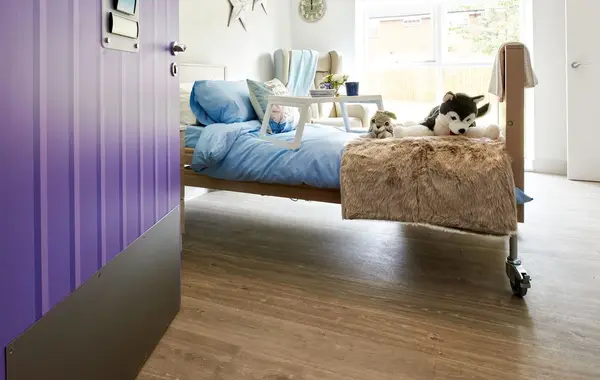 What Are the CQC Flooring Requirements for Care Homes? A Complete UK Guide
